
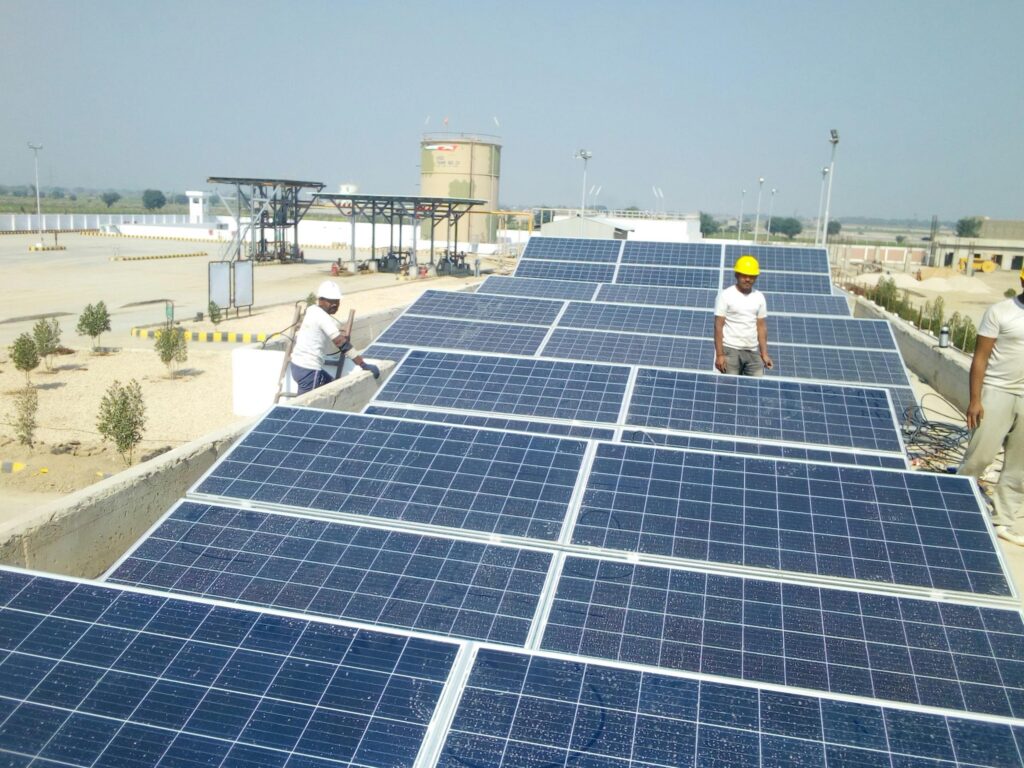
The Future of Energy: Why Solar Power Is Leading the Transition
Solar energy has rapidly evolved from an alternative technology into a mainstream power solution. As energy prices fluctuate and environmental concerns intensify, solar power offers a sustainable, scalable, and economically viable path forward. But beyond the headlines, what makes solar truly transformative?
How Solar Energy Works
Solar power systems convert sunlight into electricity using photovoltaic (PV) cells. These cells are typically made from silicon, a semiconductor material that releases electrons when exposed to sunlight. This process, known as the photovoltaic effect, generates direct current (DC) electricity. An inverter then converts DC into alternating current (AC), which powers homes, offices, and industrial facilities.
Modern systems also include monitoring software, net metering integration, and optional battery storage, allowing users to track performance and optimize consumption patterns.
Declining Costs and Improved Efficiency
One of the most significant drivers of solar adoption is cost reduction. Over the past decade, solar panel manufacturing has become more efficient, supply chains have matured, and installation practices have been standardized. As a result, the cost per watt has dropped substantially, making solar competitive with conventional grid electricity in many regions.
Panel efficiency has also improved. Earlier residential panels operated at 12–15% efficiency. Today, high-performance modules exceed 20%, meaning they generate more electricity in less space. This is particularly beneficial in urban areas with limited rooftop capacity.
Environmental Impact and Sustainability
Unlike fossil fuels, solar energy produces no direct greenhouse gas emissions during operation. It reduces dependence on coal, oil, and natural gas, helping lower carbon footprints at both household and national levels. Additionally, solar installations require minimal water for operation, unlike thermal power plants that depend heavily on water cooling systems.
Manufacturing solar panels does involve energy use and raw materials, but lifecycle analyses consistently show that panels offset their carbon footprint within one to four years of operation. Given that most systems last 25–30 years, the net environmental benefit is substantial.
Energy Independence and Grid Resilience
Solar power enhances energy independence. Homeowners and businesses can generate their own electricity, reducing exposure to tariff hikes and grid instability. When combined with battery storage systems, solar installations provide backup power during outages and peak demand periods.
On a broader scale, distributed solar reduces strain on centralized grids. By generating electricity closer to the point of consumption, transmission losses decrease, and infrastructure pressure is minimized.
Economic Opportunities
The solar sector is also a major job creator. From manufacturing and installation to maintenance and system design, it supports skilled employment across multiple disciplines. Additionally, government incentives, tax credits, and net metering policies in many regions make solar investments financially attractive.
For property owners, installing solar can increase real estate value. Buyers increasingly prioritize energy-efficient homes with lower operating costs.
The Road Ahead
Innovations such as bifacial panels, building-integrated photovoltaics (BIPV), and advanced energy storage solutions are shaping the next phase of solar development. As technology continues to advance, solar energy is expected to play a central role in achieving global sustainability targets.
In conclusion, solar power is not merely a trend—it is a structural shift in how the world produces and consumes energy. With declining costs, measurable environmental benefits, and long-term economic value, solar energy stands as one of the most practical solutions for a cleaner and more resilient future.